
Crate Digging Catches: I Like The Sounds
A white label copy of I Like the Sounds reveals the hidden history behind a late-'90s house classic.

For those not using Spotify, here is a YouTube link.
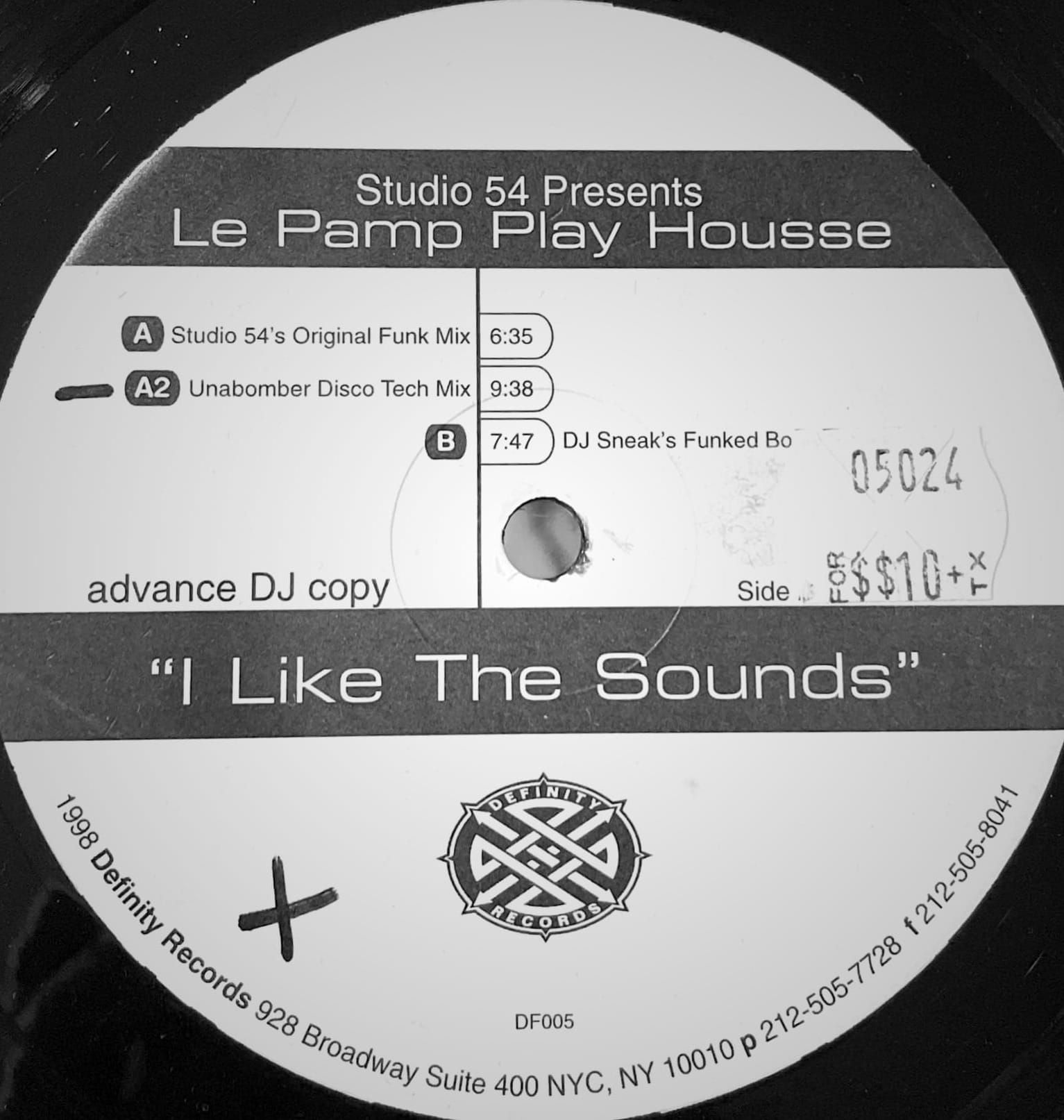
Crate Digging Catches is a segment where I explore the history behind a recent vinyl find. For this installment, I was lucky enough to snag a white label copy of I Like the Sounds, a 1999 house release that contains several interesting differences from the version that ultimately reached store shelves.
For those unfamiliar with the term, white label records were essentially promotional copies of upcoming releases. Think of them as an original form of influencer marketing. Record labels would often send DJs advance copies of releases to test out on crowds. In some cases, the records would even be mixed differently to better suit club sound systems. White labels were circulated among DJs, clubs, radio stations, and industry insiders before a record's official launch, allowing labels to assess audience reactions while keeping production costs low and artwork unfinished. As a result, these early pressings frequently contain unique details, making them especially interesting to collectors and historians.
The most glaring difference between the advance copy and the final commercial release is the name of the artist. On the advance pressing, the artist is credited as Studio 54, an unmistakable reference to the legendary New York nightclub that became synonymous with the disco era. Before the record reached commercial distribution the name was changed to Studio 45, likely to avoid potential trademark and copyright complications associated with the Studio 54 brand.[1]
There are several other details that distinguish the advance copy from the final release. The label lists a copyright year of 1998, despite the record's official commercial release occurring in 1999.[2] This is consistent with the idea that the advance version was prepared and pressed prior to the finalized release schedule. The record also features a simple black-and-white label rather than the full-color artwork found on later commercial copies. This minimalist presentation is the hallmark of a true white label release and reflects its intended purpose as a promotional tool rather than a retail product.
The story becomes even more interesting when you look at the artists behind the record. Studio 45 was one of several aliases used by Berlin producers and DJs Jens Brachvogel and Tilo Ciesla, better known as Dole & Kom. The pair were prolific figures in Germany's underground house scene, releasing music under numerous project names while building a reputation for blending house music with the sounds of 1970s disco, funk, and boogie.[2]
Beyond the name being a reference to a disco institution, their sample choices regularly reflect a love of the genre. Even on this release, they sample “Le Spank” by Le Pamplemousse, a disco classic originally released in 1997.[3] The early release of the record was actually credited as "Studio 54 Presents Le Pamp Play Housse," a nod to Le Pamplemousse, making the source of the record's inspiration impossible to miss. [2]
Taken together, these details provide a glimpse into the record's development before its official release, capturing a moment when the artist name, copyright information, and presentation had not yet been finalized. For collectors, finds like this are what make crate digging so rewarding. Not only is it a great house record, but it also offers a rare glimpse into the evolution of a disco-house classic and the creative process behind one of Germany's most influential underground production teams.
Footnotes
- Studio 45 Vol. 2, by Dole & Kom
- Discogs Studio 54 Presents Le Pamp Play Housse I Like The Sounds
- Paoletta, Michael. 1999. “Cameroon’s Princess Erika Arrives On Globe Trotter.” Billboard 111 (35): 34. EBSCOhost.