
This Guy Again
"Nobody plays that" says more about the speaker than the music.

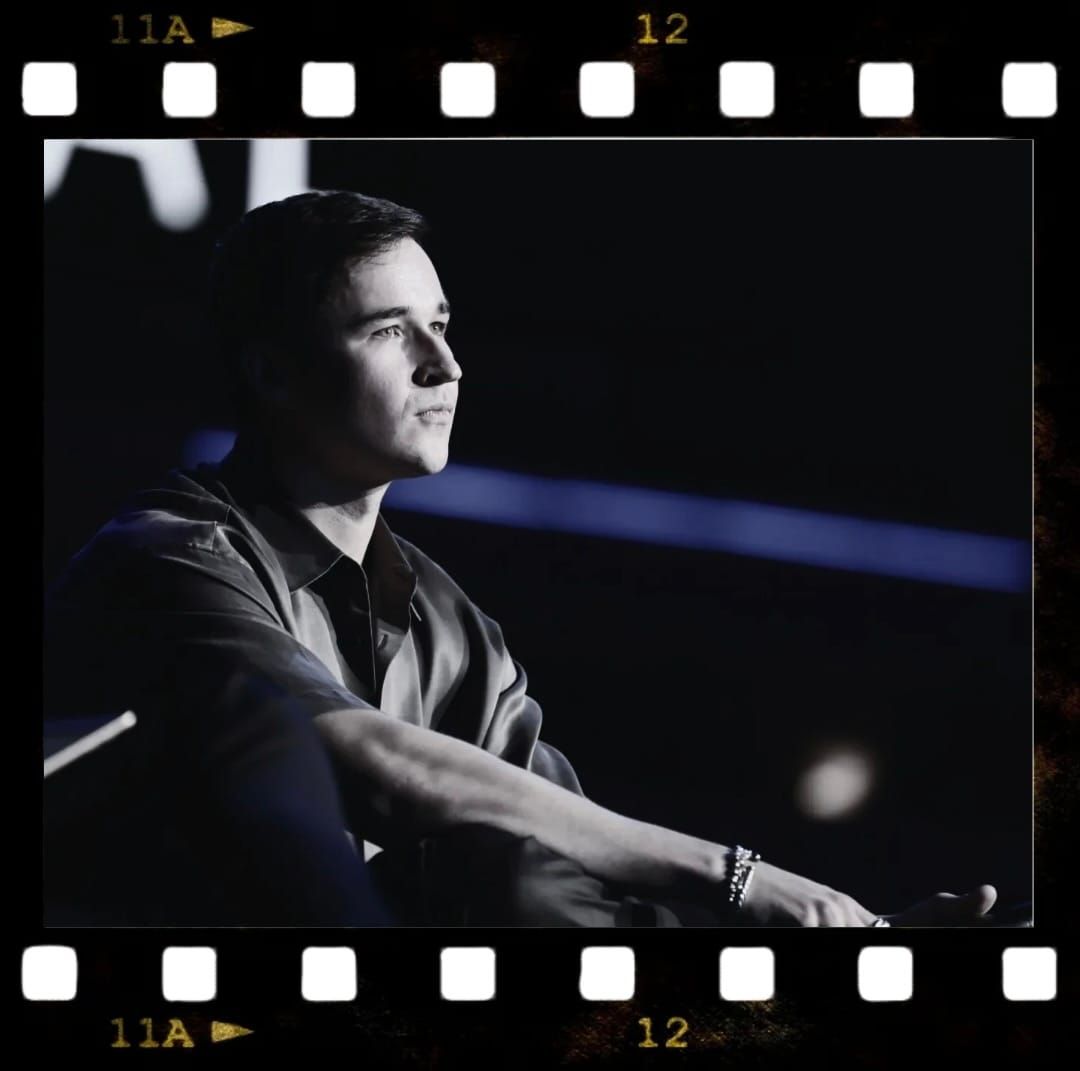
After failing to receive a Grammy Award nomination, DJ and producer John Summit criticized the Recording Academy's Best Dance/Electronic Recording category, arguing that many of the nominees were "pop" rather than dance music and claiming that "no DJ is playing that music in the clubs." The comment quickly sparked backlash from fans of nominees like Tinashe, Slayyyter, and underscores, who saw it as dismissive of scenes and audiences that exist outside the mainstream EDM ecosystem. What followed was a debate about who gets to define relevance in dance music.
not saying the artists nominated aren’t good, they’re just not dance music, they’re pop.
— John Summit (@johnsummit) November 16, 2026
no dj is playing that music in the clubs.
When John Summit wrote that "no DJ is playing that music in the clubs," I winced.
Not because I felt compelled to defend the Grammys. I could spend another entire post unleashing my feelings on that.
Instead, I immediately thought about all the dancefloors where I'd never heard a John Summit record.
I know people mean their club when they say "the club." That's why I use the phrase "my corner of the scene" when writing here. A tech-house festival crowd and a party in Bushwick might as well be on different planets. To me, that wasn't enough to provoke deep thought.
What got me is that I've heard this kind of language before. At 32, Summit is not old. But, in that moment, he sounded like every aging gatekeeper before him.
That's not real music. Nobody listens to that. The wrong people are popular.
It's an especially strange look for for a practitioner of dance music, a culture built by outsiders, to hold such a surprisingly establishment position.
To be fair, he's not entirely wrong that the boundaries of "dance music" have become increasingly elastic. The Recording Academy has spent years stretching the definition of electronic music, often to the frustration of DJs, producers, and fans who see dance music as a distinct culture rather than a production style.
The interesting part is who keeps ending up on the receiving end of these arguments. Many of the artists swept into Summit's criticism represent audiences that mainstream EDM has historically struggled to see. Tinashe's fanbase runs deep through Black and queer nightlife. Slayyyter's success is inseparable from LGBTQIA+ audiences. underscores, a trans artist, has become emblematic of a generation whose relationship to electronic music was shaped as much by online communities as by physical dancefloors.
None of this means Summit has to like their music. But "I don't like this" is very different from "nobody is playing this."
My takeaway isn't that John Summit doesn't know queer nightlife exists. It's that he accidentally revealed which audiences he considers culturally authoritative and which ones he doesn't.
Because if you're standing at the center of mainstream EDM, it's easy to assume that's where dance music is happening.
But New York alone contains dozens of scenes that barely interact with one another. What works at a Nowadays party may never reach Mr. Purple. What resonates in the Bronx may not resonate in Ibiza. Entire communities build their own canons and dance floors without waiting for approval from the DJ booth.
That's what makes Summit's comment feel so dated.
For decades, dance music fought against people who dismissed entire cultures because they couldn't see them from where they were standing.
Now one of the genre's stars is making a surprisingly similar mistake.