Scenes Don't Preserve Themselves
A look at the photographers, publications, collectives, and venues creating today's cultural record

A recent post from Nowadays caught my attention. On October 15, 2026, the Ridgewood venue is hosting the launch of Illegal: Rave Flyers of the 90s, a 536-page collection documenting the flyers, stories, and personalities that influenced the early years of American rave culture.
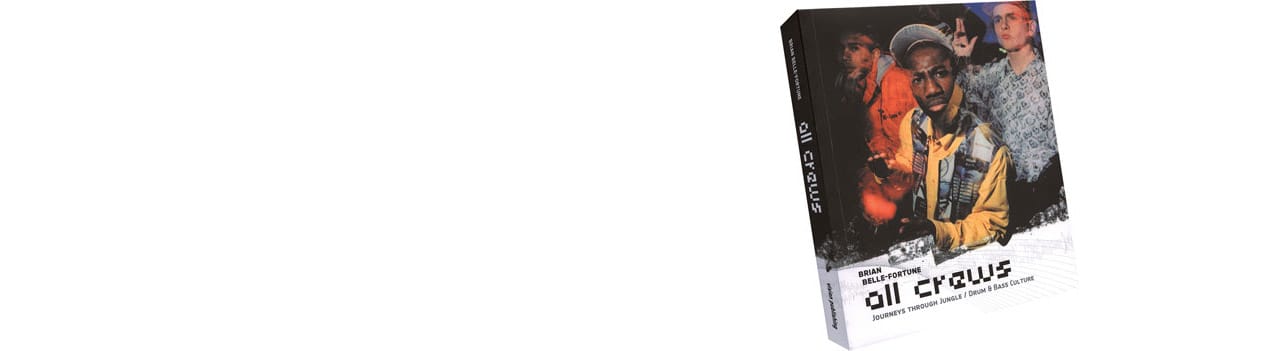
I've also found myself revisiting All Crews: Journeys Through Jungle / Drum & Bass Culture, Brian Belle-Fortune's chronicle of jungle's rise through interviews, photography, and stories from the pirate radio stations, labels, promoters, crews, and ravers who built the scene.
It got me thinking: if someone were documenting today's NYC underground scene, what would they include?
Recent closures like Rash, Dead Letter No. 9, The Rosemont, and Kind Regards are reminders that the spaces anchoring a scene are rarely permanent. Venues close. Parties end. Collectives evolve (or dissolve). Instagram posts disappear into the feed. What feels permanent in the moment can become surprisingly difficult to reconstruct just a few years later.
That's why documentation matters. If someone wanted to understand New York's underground music culture twenty years from now, what would they find? Beyond lineups and headlines, who is preserving the people, places, and communities that make the scene what it is?
Across New York, photographers are documenting dancefloors and preserving the transient moments that define a night out. In my corner of the scene, Johnny Merchan stands out. His mix of digital and film photography captures nightlife with a personal touch, often freezing the split second between a DJ selecting a track and the crowd hearing it. It's one of my favorite experiences: the DJ knows exactly what's coming, while everyone else is a few seconds away from finding out.
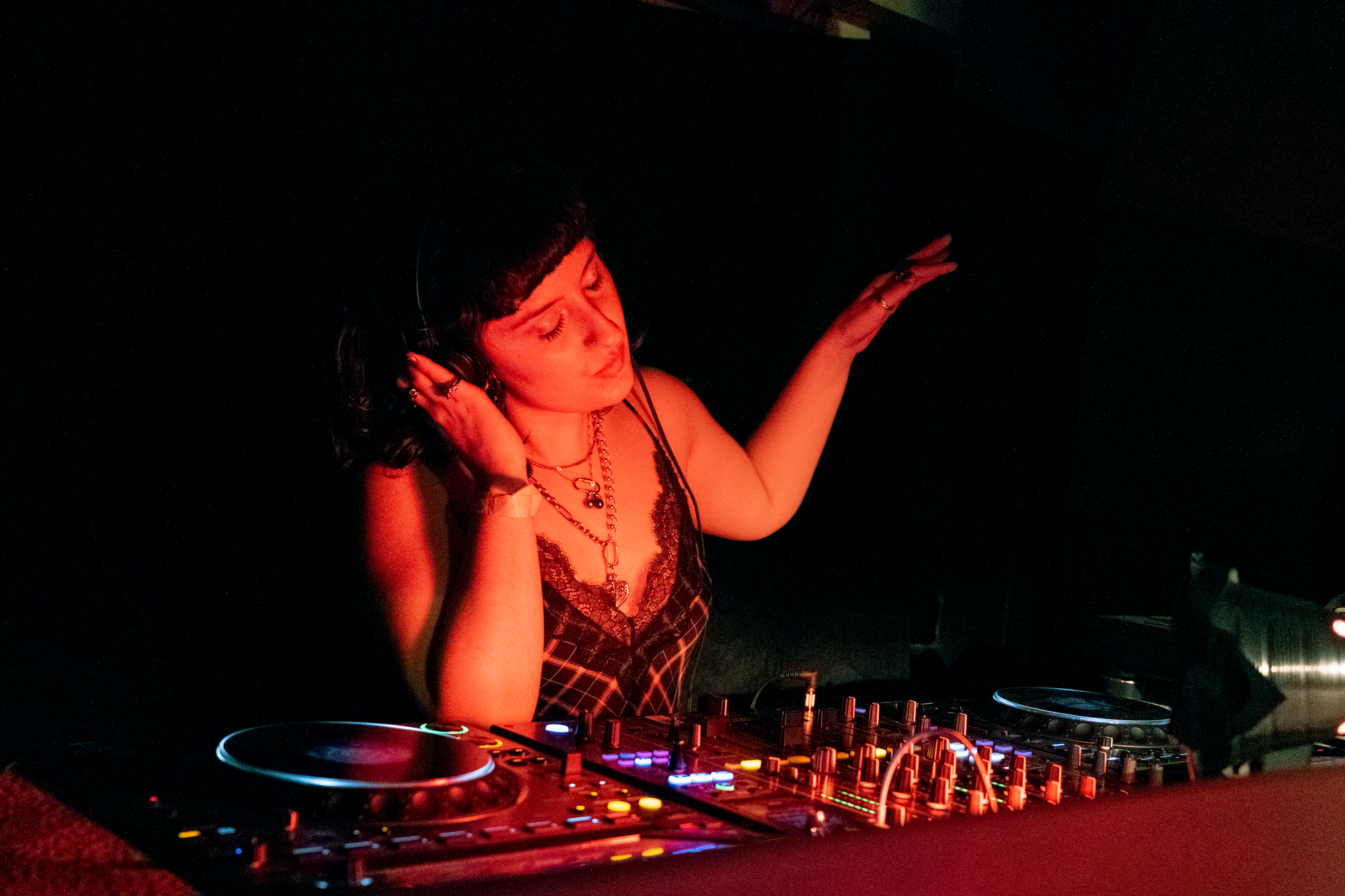
Photographers like Jack Bolga, Book Club Radio's principal photographer, approach the scene from a different angle. While his portraits of DJs are compelling in their own right, it's often his dancefloor photography that stands out. When Bolga turns his lens toward the crowd, he documents the shared joy that unfolds on the dancefloor. His photos capture the smiles, embraces, and moments of connection that remind us that, beyond the music, nightlife revolves around community.
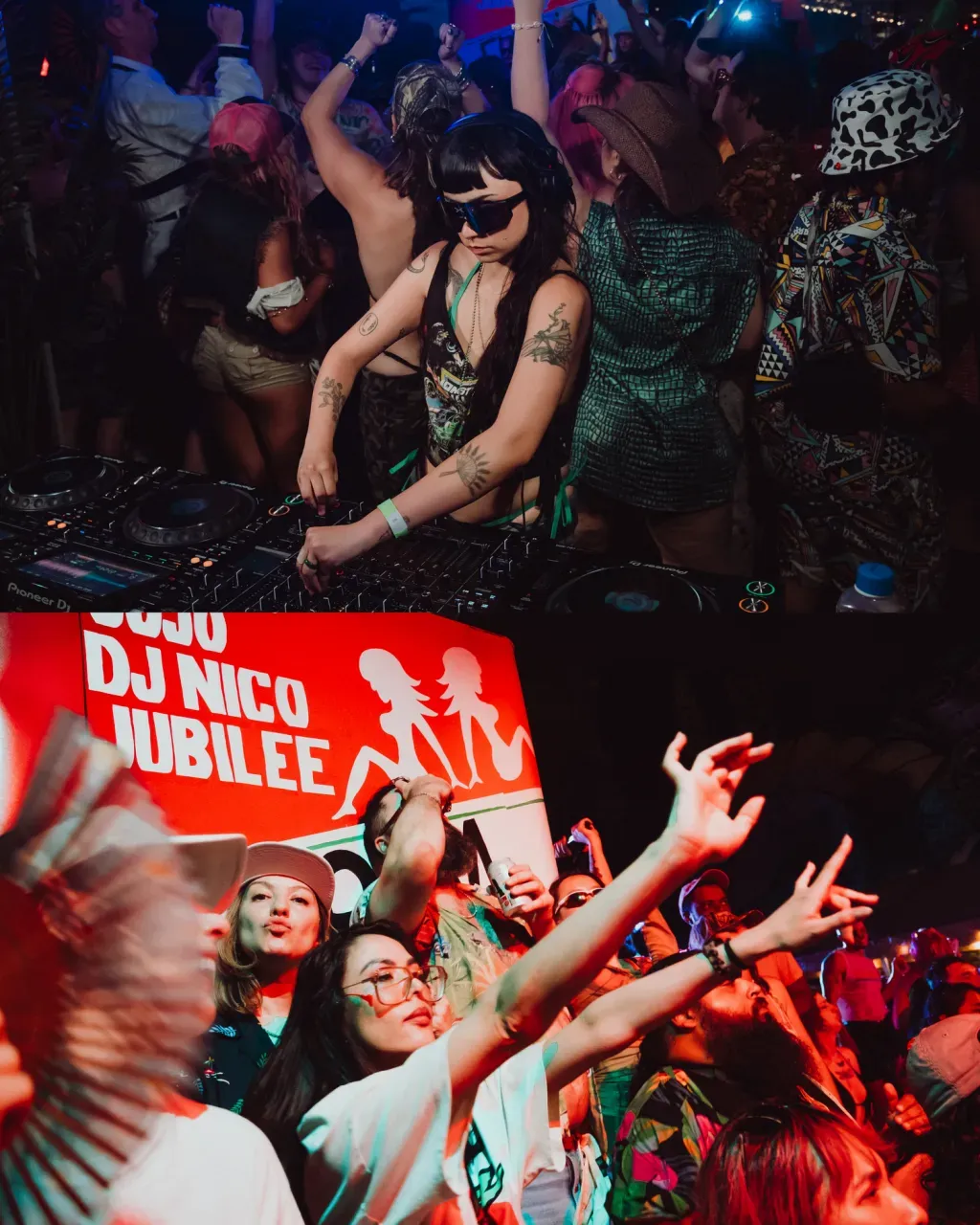
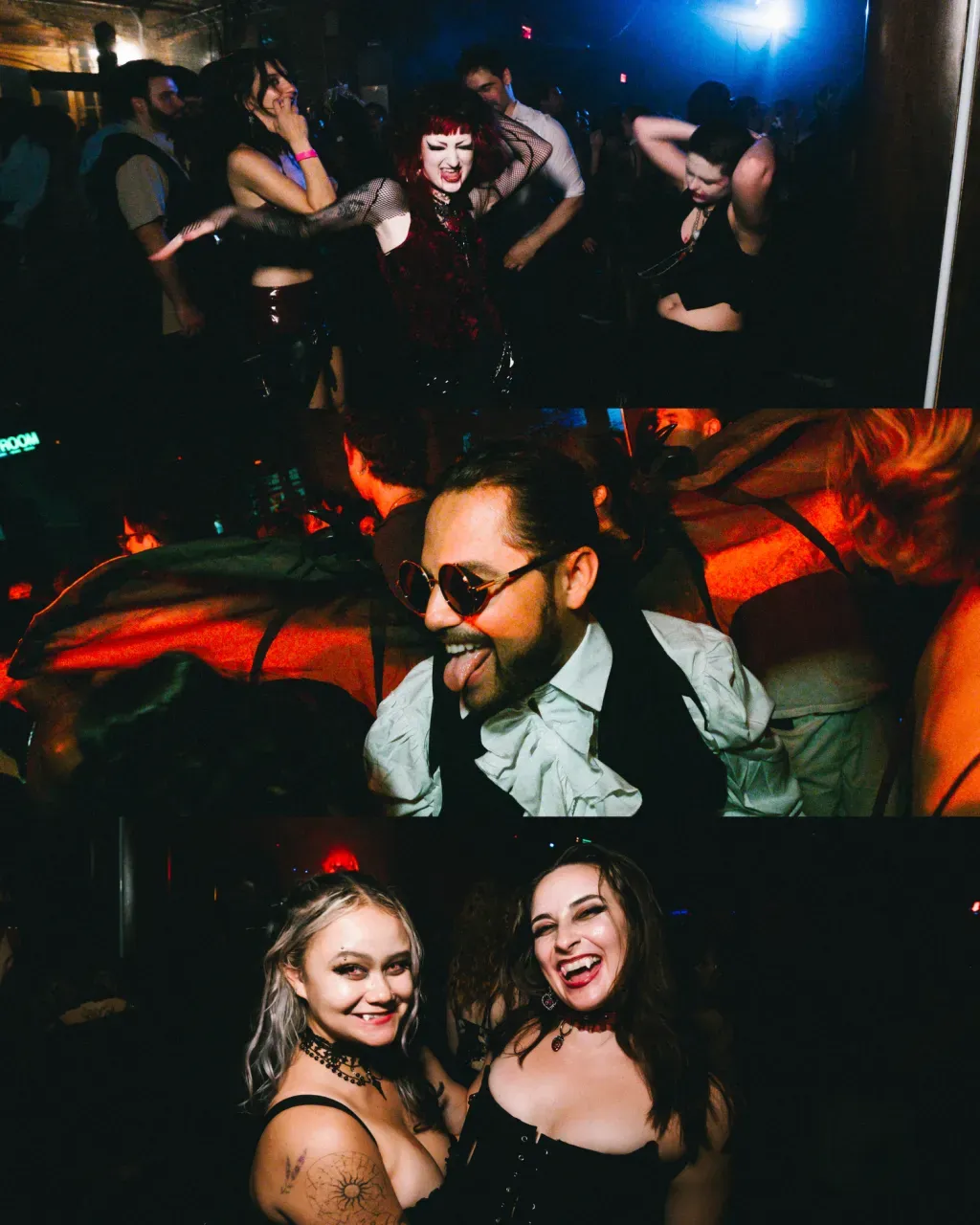
Left: Book Club Meeting 37: Florida Gas; Right: Book Club Radio Meeting #38: Dracula’s Castle by Jack Bolga
Local music publications, newsletters, and independent platforms are profiling emerging artists, reviewing events, and creating a record of scenes that would otherwise be lost. Outlets like HangTime Magazine, No Bells, Resident Advisor, and community-led radio platforms create a record of scenes that might otherwise exist only through word of mouth. Radio remains one of the most important archives of underground culture. Platforms such as The Lot Radio, Newtown Radio, Subtle Radio, and Data Transmission preserve the context surrounding the music through interviews, event coverage, mixes, and artist profiles. One recent project I've especially enjoyed is Personna by Helix. As both an interview subject and a believer in nightlife preservation, I appreciate the way she delves into all areas of life: work, hobbies, hopes, dreams, and how each person maintains balance. Her perspective as a DJ and longtime participant in club culture gives her an intuitive sense of what questions are worth asking, resulting in conversations that uncover the person behind the booth rather than just the DJ behind the brand.
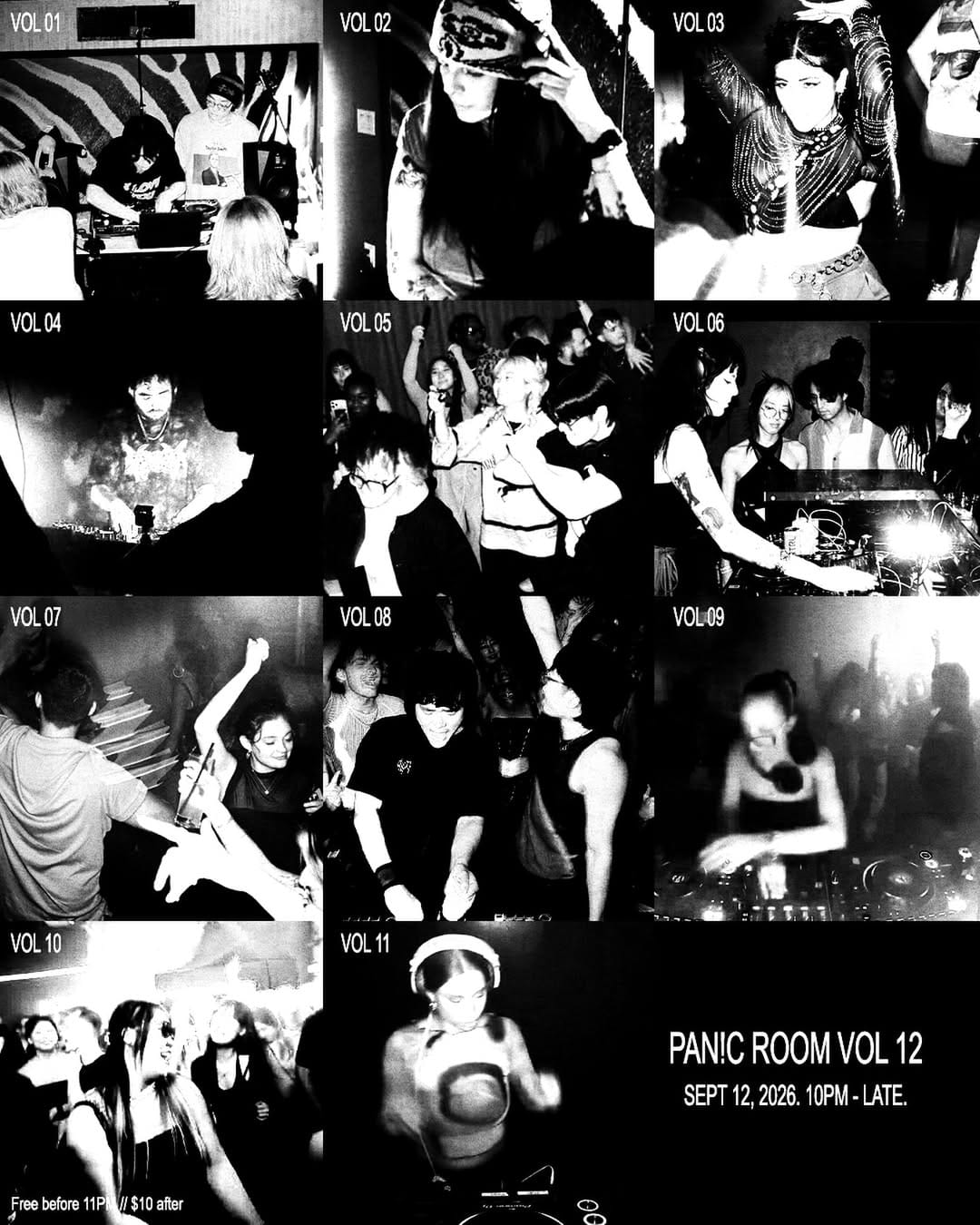
Collectives are doing their part as well, building communities around specific sounds, cultures, and identities while creating their own visual and cultural history in the process. Groups like Body Hack, Club Massive, OnlyFemmes, PAN!C ROOM, Rave Renaissance, and she.they.dj are building spaces for cultural exchange and molding the identity of New York nightlife. Years from now, their flyers, photographs, playlists, and programming choices may tell us as much about this era as any formal history book.
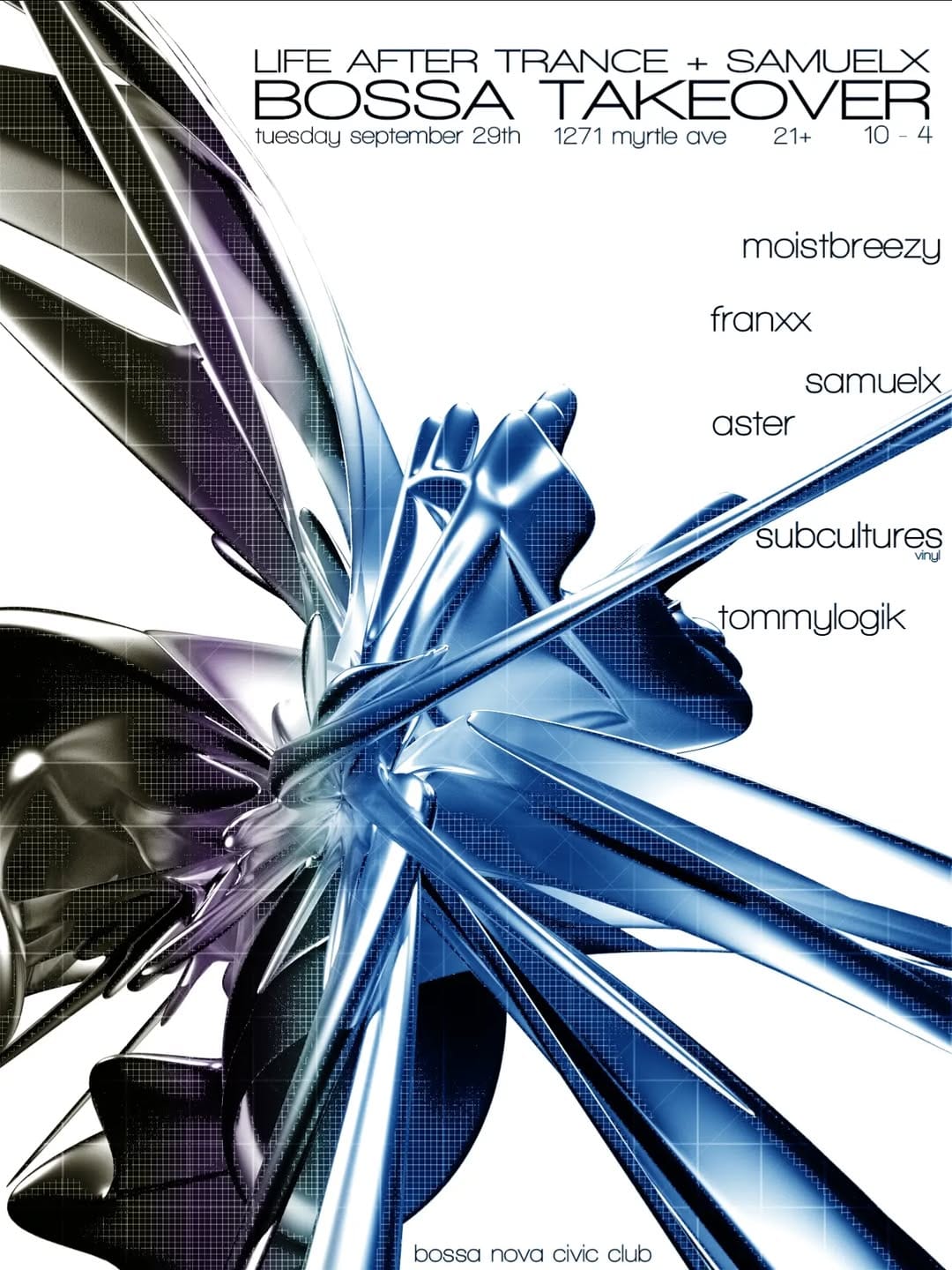
Venues play an equally important role. Their calendars become timelines of a city's creative life. Looking back at flyers from Bossa Nova Civic Club, Public Records, Elsewhere, or Mood Ring reveals more than who played on a given night. They show which sounds were gaining momentum, which collectives were finding an audience, and how different communities intersected. For example, Bossa Nova's upcoming takeover revolves around trance music (flyer included below). It's related to the resurgence of trance music in the 2025 festival circuit and a general trend towards nostalgia. From researching the lineup and the cyber/ Y2K visuals on the poster, I infer that the night will lean a little more electro/ hyperop than pure trance. As I mention later, without more information in the form of interviews, photos, etc., these flyers don't paint an all-encompassing picture.
The closures of Rash and The Rosemont serve as reminders that these spaces can disappear. When they do, what's left is often the documentation surrounding them: photographs, flyers, recordings, reviews, and memories.
The challenge is that much of this record remains fragmented. A photographer's archive lives on one website. A feature sits in a newsletter inbox. A radio recording is buried on SoundCloud. A flyer gets lost in a camera roll. Each component captures something valuable, but rarely tells the full story on its own.
Books like Illegal and All Crews remind us that the best music histories paint a full picture of the venues, collectives, photographers, writers, promoters, and dancers who shaped a moment in time. New York's underground scene already has those people. Maybe the answer to my original question is that documenting today's NYC underground doesn't require a single book or archive. It's already happening in photographs, radio recordings, interviews, flyers, newsletters, and community spaces across the city. The challenge is making sure those pieces remain accessible enough for future generations to piece the story together.